Over the years, iTunes has gone through major changes. On Windows, iTunes is still available, while on macOS, it has been replaced by the Music app since macOS Catalina. Although the interface and features have evolved, many users still rely on iTunes or Apple Music to manage large local music libraries.
So why do scripts still matter today? For users with thousands of tracks, built-in tools are often not enough. Scripts help automate repetitive tasks such as cleaning missing files, editing metadata, and organizing playlists, saving both time and effort.
AppleScript plays a key role in music management on macOS. In the next section, we'll explore some of the most useful iTunes scripts you can still use today.

This script automatically searches song lyrics on Google based on the selected track's title and artist. It is especially useful for older music files that do not include embedded lyrics. Instead of manually copying song names into a browser, users can launch a search with just one click. While it doesn't add lyrics directly to iTunes or the Music app, it greatly speeds up the process of finding accurate lyrics online. This script remains practical for users who manage local music libraries and prefer quick access to lyric sources.
The Wikipedia search script helps users quickly look up background information about a song, artist, or album. Once a track is selected, the script opens the relevant Wikipedia page in a web browser. This can be helpful for users who want to verify release dates, album details, or artist history while organizing their music library. Although it does not modify music files directly, it serves as a useful reference tool, especially for users who care about accurate metadata and music collection details.
This script is designed to import audio files from older iPod devices or local backups into iTunes or the Music app. It can be helpful when music files were originally synced to an iPod but no longer exist on the computer. While modern iOS devices have more restrictions, this script is still valuable for users dealing with legacy devices or archived backups. It provides a simple way to recover and re-add audio files without relying on manual file extraction. (How to Transfer Music from iPhone/iPad to Mac?)
One of the most practical scripts for large music libraries, this tool scans iTunes or the Music app for tracks whose original files are missing and removes them automatically. Over time, deleted or moved files can clutter a library and cause playback errors. This script helps keep the library clean and organized by eliminating broken entries. It is especially useful for users who frequently reorganize folders or move music files between external drives and local storage.
This script allows users to quickly convert selected tracks into another audio format, such as AAC or MP3, using built-in system encoders. It is useful for batch processing when multiple files need to be converted for compatibility reasons. While the conversion options are limited compared to professional audio tools, the script offers a convenient solution directly within iTunes or the Music app. It works best for users who need simple, fast conversions without extra software.
Missing album artwork is a common issue in older music libraries. This script searches Google Images using track or album information and opens relevant results in a browser. Users can then manually select and apply suitable artwork. Although the process still requires user input, the script saves time by automating the search step. It is particularly helpful for collectors who want a visually consistent music library without manually searching for artwork track by track.
This script enables users to edit metadata fields such as artist, album, genre, or year for multiple tracks at once. Batch editing is essential when dealing with albums that have inconsistent or incorrect information. Instead of adjusting each track individually, users can apply changes across a selection in seconds. This script significantly improves efficiency and accuracy when organizing large libraries, making it one of the most valuable tools for serious iTunes or Apple Music library managers. (How to Transfer Music from iPhone to iTunes Library?)
The Smart Playlist script automatically creates playlists based on predefined rules, such as play count, rating, or recently added tracks. It helps users discover forgotten songs or maintain dynamic playlists without manual updates. While iTunes and the Music app already support smart playlists, scripts allow more flexible or customized automation. This is ideal for users who enjoy curated listening experiences and want their playlists to update automatically based on listening habits.
This script exports selected playlists to a PDF or text file format. It is useful for users who want to share playlists, keep printed records, or archive music collections outside of iTunes. Compared to older booklet-style scripts, this approach is simpler and more practical. Exported files can be easily viewed, edited, or shared across devices. This script works well for users who value documentation or external backups of their playlist data.
Designed for casual listening or social settings, this script randomly selects and plays tracks from different genres or playlists. It helps avoid repetitive playback and creates a more dynamic listening experience. While similar features exist in modern music apps, scripts can offer more control over selection rules. This makes the Party Shuffle script suitable for gatherings, background music, or users who enjoy unexpected song combinations without manual playlist management. (How to Transfer Music from iPhone to External Hard Drive?)
Using iTunes scripts is not as complicated as it may sound. On macOS, most iTunes or Apple Music scripts are written in AppleScript and can be installed in just a few simple steps.
Step 1: Download the script file, which is usually saved with a .scpt or .applescript extension. After downloading, open the Script Editor on your Mac to check or customize the script if needed. Many scripts work without any modification.
Step 2: Place the script into the correct Scripts folder. For most users, this is the Music or iTunes scripts directory under the system Library. Once installed, restart iTunes or the Music app so the script can be recognized.
Step 3: After that, enable the script menu in iTunes or the Music app if it is not already visible. You can then run scripts directly from the menu while selecting tracks or playlists. Some scripts may ask for permission to access files or control apps-simply allow these prompts for proper operation.
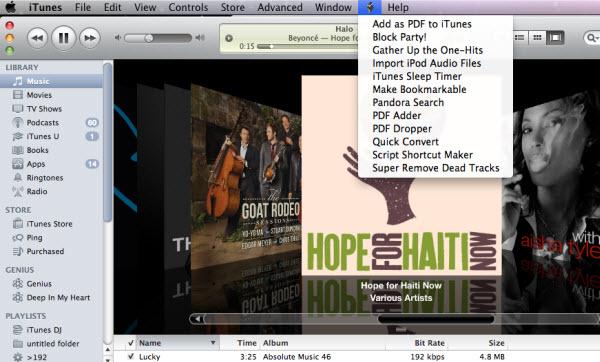
By following these steps, you can quickly start using scripts to automate tasks and manage your music library more efficiently.
iTunes scripts are great for automating specific tasks such as cleaning libraries, editing metadata, or creating playlists. They work well for users who enjoy customization and mainly manage music stored locally on a Mac. However, scripts also have clear limitations. Most of them only work on macOS, require manual installation, and have little to no support when system updates break compatibility. More importantly, scripts cannot directly manage music stored on iPhone or iPad devices.
This is where modern iPhone music management tools come in. For users who want a simpler and more stable solution-especially when dealing with iOS devices-third-party software can be a better choice. Coolmuster iOS Assistant is one such tool designed to help users manage, export, and back up music from iPhone and iPad without relying on iTunes. Unlike scripts, it works through a visual interface and supports both Windows and macOS, making it accessible to a wider range of users.
Coolmuster iOS Assistant – A Smarter Way to Manage iOS Music
How to Export Music Using Coolmuster iOS Assistant
01Install and launch Coolmuster iOS Assistant on your computer. Then connect your iPhone or iPad using a USB cable and unlock the device.
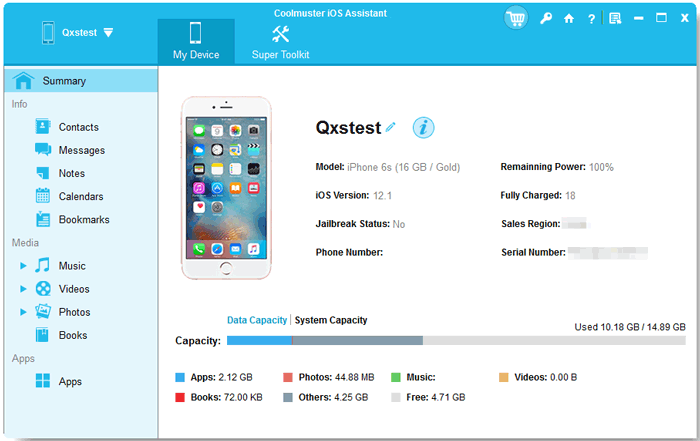
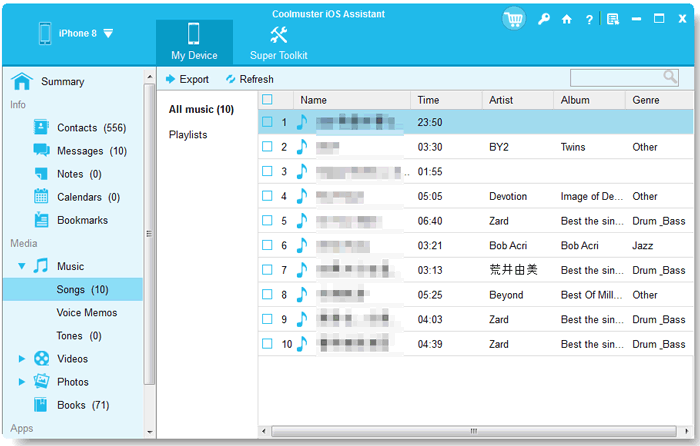
02Once connected, select "Music" from the sidebar, choose the songs you want to export, and click "Export". You can save the music to your computer or directly to an external hard drive.
Video Guide:
iTunes scripts still offer value for users who prefer automation and have full control over their local music libraries. They are especially useful for tasks like cleaning missing tracks, editing metadata, and organizing playlists on macOS. For experienced users, scripts remain a flexible and lightweight solution.
However, for those who want a simpler, more reliable way to manage music-especially when working with iPhone or iPad devices-modern music management tools are often the better choice. Tools like Coolmuster iOS Assistant make it easy to export and back up music without dealing with scripts or iTunes limitations.
Related Articles:
Transfer Music from Computer to iPhone without iTunes [2026]
7 Quick Ways | How to Transfer Music from iPhone to iPhone?


 Free Download for PC
  Free Download for Mac


