In daily use of an iPhone, regularly backing up data is a crucial step to ensure the safety of photos, contacts, and important files. However, many users encounter issues such as "iPhone not backing up", with problems like iCloud backup getting stuck, iCloud backup failed, or showing "backing up" with no progress for an extended period. Why is my backup failing? What should I do if my backup is not working? This article will systematically analyze the common reasons behind "iPhone not backing up" and provide various effective solutions to help you successfully complete your backup.
Before jumping into solutions, it's important to understand what causes the iPhone not backing up problem. Common reasons include:
Once you identify the possible cause, you can apply the appropriate fix below.
If your iPhone won't back up to iCloud, here are 7 effective solutions you can try to fix it.
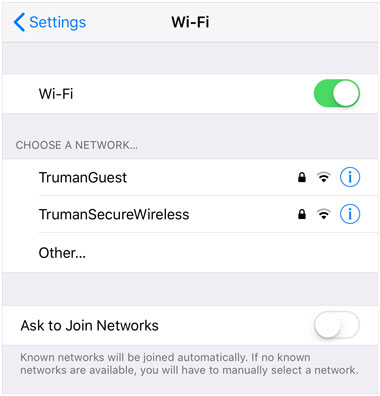
Network issues are one of the most common reasons for an iPhone not backing up to iCloud. iCloud backups can only be completed properly under a stable Wi-Fi connection.
If your iPhone is not backing up due to poor network conditions, go to "Settings" > "Wi-Fi" to confirm your connection. Try switching to a stronger Wi-Fi signal, or turn Wi-Fi off and on again. If the problem persists, restart your router and attempt the backup again.
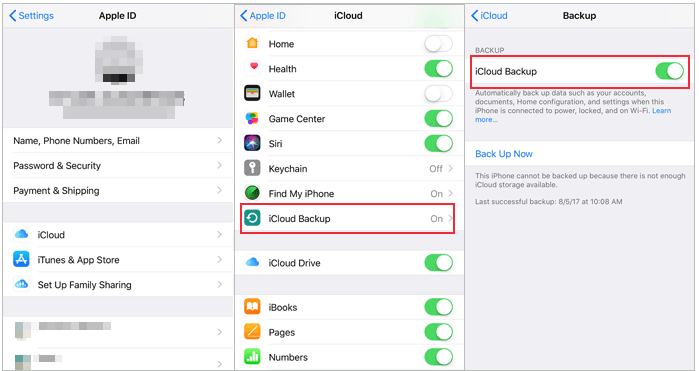
One reason your iPhone is not backing up photos to iCloud is that the iCloud Backup feature is not enabled. To enable it, go to "Settings" > [Your Name] > "iCloud" > "iCloud Backup", then toggle on "iCloud Backup".
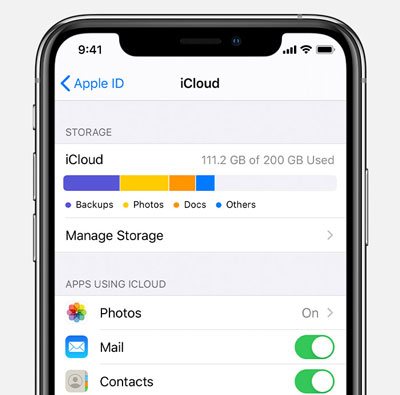
If your iPhone is not backing up automatically, it could be due to insufficient storage space. Your default account provides 5GB of storage, and if you exceed this limit, iCloud backup will not work properly. To quickly resolve this issue, check your iCloud storage. If it's full, delete unused content to free up space, or you can purchase additional iCloud storage.
Follow the steps below to see if your iCloud storage is full on your iPad/iPhone:
Step 1. Go to "Settings" > "Apple ID" > "iCloud".
Step 2. Tap "Manage Storage" to check the available space.
Step 3. If storage is insufficient, delete unnecessary old backups to free up iCloud storage, or upgrade your iCloud storage plan.
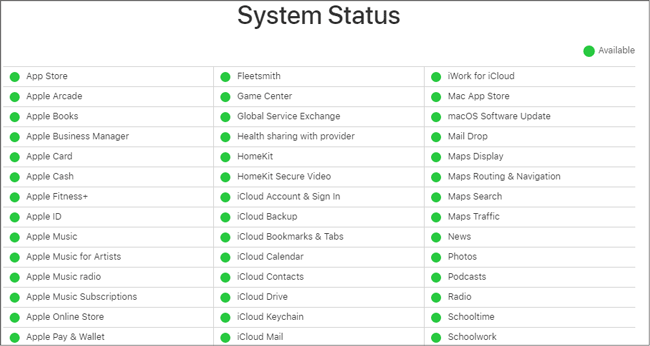
If your iPhone is not backing up to iCloud with enough storage, the issue may not be with your device but with the iCloud service itself. Visit the Apple System Status website to check whether iCloud Backup is experiencing outages or disruptions. If the service is temporarily unavailable, wait until Apple resolves the issue and then try backing up again.
Another reason your iPhone won't back up to iCloud is a problem between your iCloud account and your device. To resolve this, you can reset your iCloud account by signing out and then signing back in after a short period.
Here's how to do it:
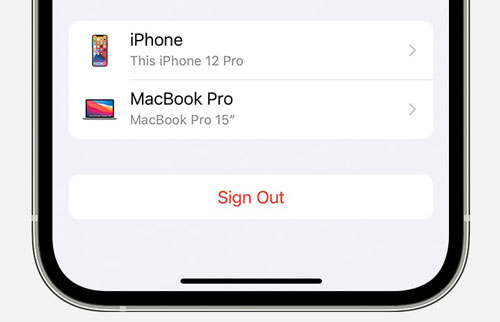
Step 1. Open "Settings" on your iPhone > Tap "iCloud".
Step 2. Scroll down and tap "Sign Out" to log out of your account.
Step 3. Wait for a few moments, then tap "Sign In" to log back in.
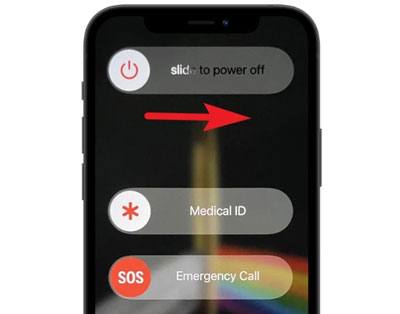
Temporary system glitches or abnormal background processes can also cause your iPhone to not back up. To resolve this, simply restart your iPhone to refresh system processes and clear minor errors, then try backing up again.
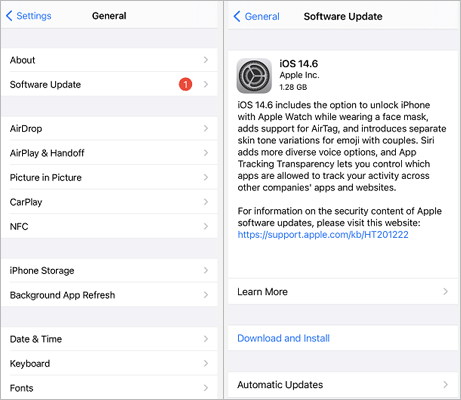
Is your iPhone still not backing up to iCloud? If so, it may be due to an outdated iOS version. To fix this issue and ensure smooth backups, make sure your device is running the latest version of iOS.
How to update your iPhone/iPad:
Step 1. Launch the "Settings" application on your device.
Step 2. Tap on the "General" button, and hit the "Software Update" button.
Step 3. If there's a new version of your iOS device available, you can quickly and easily download and install it. Tap the "Download and Install" option to get started.
If your iPhone is not backing up to a computer or iTunes, here are 5 effective solutions you can try to fix it.
An unstable connection can directly cause backups to be interrupted or fail, leading to the iPhone not backing up to the MacBook. Make sure to use a certified Apple USB cable and try connecting to a different USB port on your computer. Avoid using USB hubs, as they can sometimes cause connection issues. Once a stable connection is established, attempt the backup again.
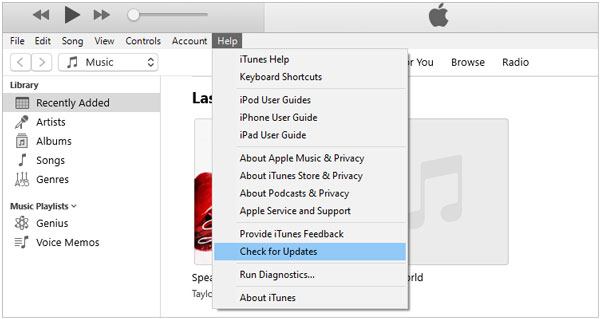
Sometimes, your iPhone won't back up to iTunes because the software is outdated. To fix this, make sure you are using the latest version of iTunes.
Open iTunes, go to "Help", and select "Check for Updates". A pop-up will indicate whether your iTunes is up to date. If not, follow the on-screen instructions to download and install the latest version.
To back up your iPhone to your computer, your PC must have enough available storage. If your iPhone is not backing up to a computer, check your disk space. If it's insufficient, delete unnecessary files to free up space and allow the backup to complete successfully.
Another reason your iPhone won't back up to iTunes/computer is that security software may be blocking the process. Check if any antivirus or firewall programs are interfering, and if so, temporarily disable them until the backup is complete.

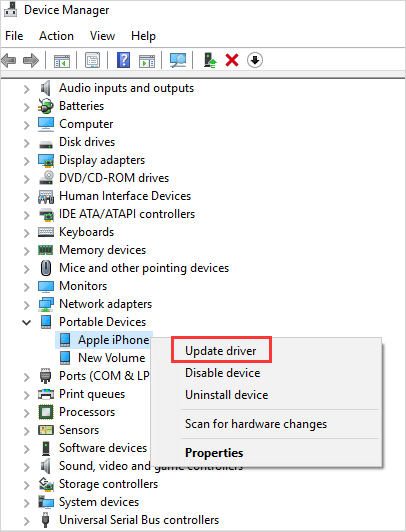
If your iPhone is not backing up to a computer/iTunes, outdated USB drivers could be the issue. To fix this, follow the steps below:
Step 1. Connect your iPhone to your PC.
Step 2. Right-click the "Start" button, select "Device Manager", and expand "Portable Devices".
Step 3. Right-click your iPhone, select "Update driver", then choose "Search" automatically for updated driver software.
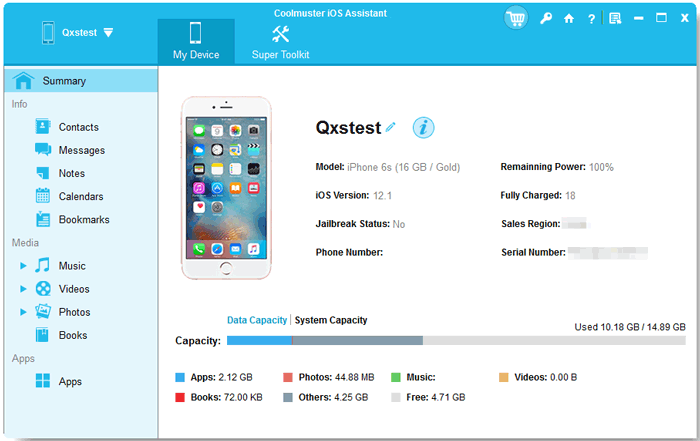
If you've tried all the methods and your iPhone is still not backing up to iCloud/iTunes, using third-party software like Coolmuster iOS Assistant can be a more reliable alternative. This tool offers a simple and efficient way to back up your iPhone data to a computer without the usual headaches. This tool not only backs up iPhone data, but also allows you to easily manage iPhone/iPod/iPad data on both Mac and Windows systems.
Key features of iOS Assistant:
Here is how to back up an iPhone to a computer using iOS Assistant:
01First, download and install the software on your computer. Connect your iPhone to the computer using a USB cable.
02On your iPhone, tap "Trust" when prompted and follow the on-screen instructions to allow the software to detect your device. Once recognized, the main interface will appear.
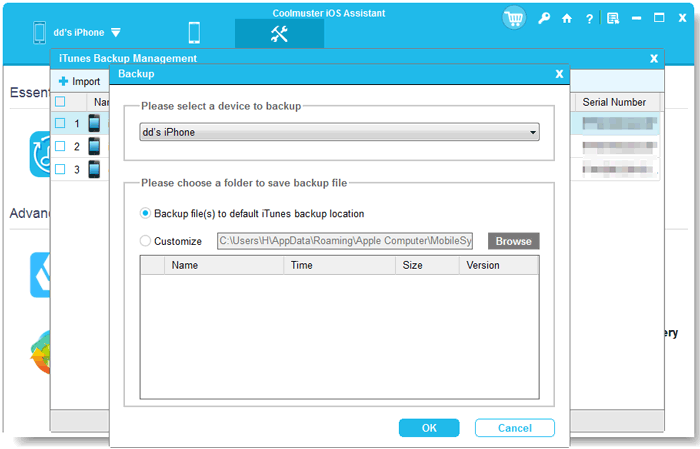
03To back up your entire iPhone, go to the "Super Toolkit" section and select "iTunes Backup & Restore". Click "Backup", choose your iPhone from the drop-down menu, then click "Browse" to select a folder on your computer where the backup will be saved. Click "OK" to start the backup.
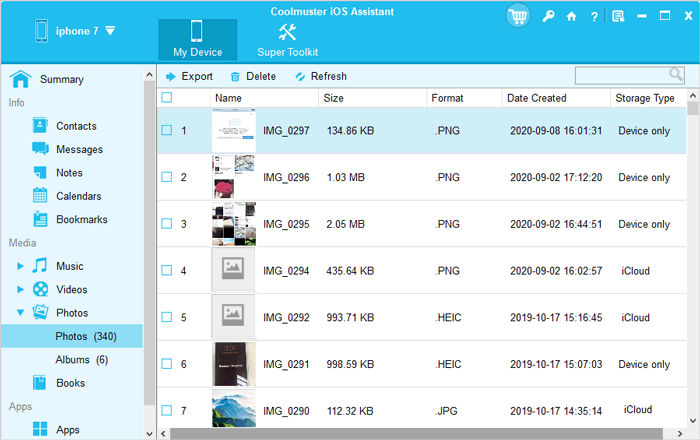
If you only want to back up specific files, go to the "My Device" section, select the file types from the left panel, preview and choose the files you want, and then click "Export" to back them up to your computer.
Video Tutorial:
That's all about how to fix iPhone not backing up. If you repeatedly encounter iPhone not backing up issues, it indicates that iCloud and iTunes may not be the most reliable options. In this case, using a professional third-party tool can be more efficient.
Coolmuster iOS Assistant allows you to back up your iPhone data directly to your computer, providing a more controlled process with a higher success rate. You can download it for free and give it a try.
Related Articles:
iPhone Shows No Backup on iCloud? Reasons and Solutions Inside!
iPhone Backup Failed But I Have Enough Storage? 6 Ways to Fix!
[8 Solutions] iTunes Could Not Back Up the iPhone Because An Error Occurred
The Last Backup Could Not Be Completed [Reasons & Solutions]


 Free Download for PC
  Free Download for Mac


