TL;DR: If your image is overly compressed, blurry, pixelated, or lacking detail, you can restore its appearance with AI Photo Repair or Photoshop. This guide explains how to fix overly compressed photos, improve image quality, and prevent excessive compression with simple, practical tips.
"I'm getting the materials together needed to renew a passport. I tried uploading a picture to the .gov photo tool, and am getting an error saying the image is overly compressed for a passport. Is anyone familiar with this issue and know how to fix it?"
- from r/travel
Nowadays, images play a crucial role in conveying information, creating an emotional impact, and enhancing the overall user experience. Whether you're a web designer, a social media manager, or a content creator, you're undoubtedly familiar with the need to balance image quality and file size. The temptation to reduce the file size of an image to optimize web speed and save storage space is a common one.
However, when the image is overly compressed, you may encounter a host of issues that can significantly affect the quality of your images. Then, how do I fix an overly compressed image? Go through this article to find the answer.
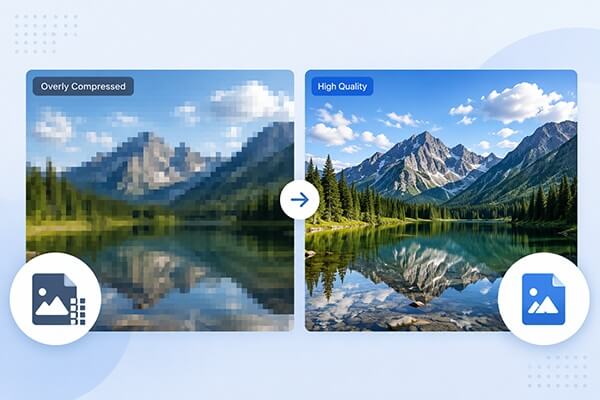
An Image is overly compressed, meaning an image that has been compressed to such an extent that it has lost a significant amount of its original quality and detail. Compression is the process of decreasing file size by removing certain data or information that the human eye might not easily notice. This reduction in file size is often done to make the image more suitable for web use, as smaller files load faster and consume less bandwidth.
However, when an image is overly compressed, the compression process has been taken to an extreme, resulting in a noticeable loss of image quality. Common signs of an overly compressed photo include:
1. Pixelation
If a Picture is overly compressed, it may appear pixelated, with visible square or blocky artifacts, especially in areas with complex details.
2. Blur and Lack of Detail
Fine details and sharp edges in the image may become blurry or indistinct due to aggressive compression.
3. Loss of Color Fidelity
Colors in the image can become less accurate and vibrant, leading to a loss of visual appeal.
4. Compression Artifacts
Overcompression can produce noticeable visual artifacts such as blocking, banding, or ringing, which can be distracting and detract from the image's quality.
5. Reduced Clarity
Textures and gradients may lose their smoothness, resulting in a loss of visual clarity.
6. Loss of Image Structure
In extreme cases, the image may lose its overall structure, making it difficult to discern objects or elements within it.
If the image is already noticeably over-compressed, you can try the following methods.
If an image is overly compressed and becomes corrupted, blurry, or fails to open properly, AI Photo Repair can help repair the damaged image file. It is designed to recover and repair corrupted or damaged files while preserving as much of the original data as possible. With a simple interface and straightforward repair process, it can be a useful option when an over-compressed image has become difficult to view or access.
Key features of AI Photo Repair:
Here is how to use this AI image upscaler to fix your overly compressed images:
01Download and launch AI Photo Repair on your computer. (Your photo isn't on your computer? Click here to learn how to transfer photos from your phone to your computer.)
02Select "Photo Enhancer", choose the appropriate AI model based on your image type and desired result, and upload the image you want to enhance.
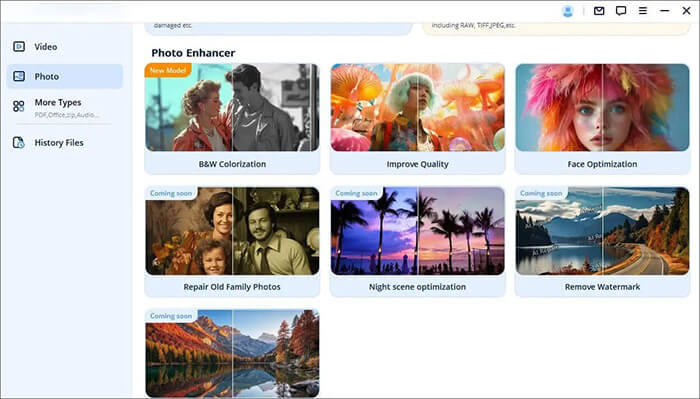
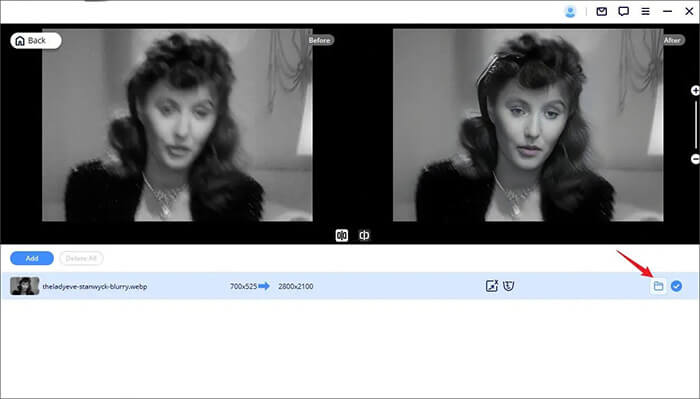
03Wait for the AI enhancement process to finish. You can then compare the enhanced image with the original to see the improvements. The enhanced image will be saved automatically. Click the "file" icon to open its saved location.
Photoshop is another practical option when your image is overly compressed but still opens normally. Instead of repairing the underlying file structure, Photoshop allows you to improve the image's appearance using tools such as sharpening, noise reduction, resizing, and other image adjustments.
Although Photoshop cannot magically recover every detail lost during compression, careful editing can make an overly compressed photo look cleaner and more natural. The key is to avoid excessive sharpening or enhancement, which can make compression artifacts even more noticeable.
Here is how to fix overly compressed photos using Photoshop:
Step 1. Launch Photoshop and open the photo you want to sharpen.
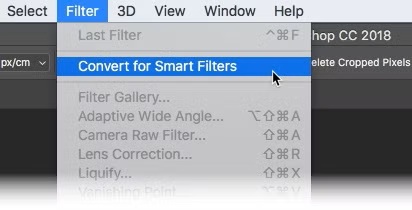
Step 2. In the "Layers" panel, select the layer containing your photo, then click "Filter" in the top menu.
Step 3. To edit the photo without permanently changing the original, choose "Convert for Smart Filters". This allows you to apply sharpening while keeping the original image intact.
Step 4. With the photo layer selected, go back to "Filter" > "Sharpen" and choose "Unsharp Mask".
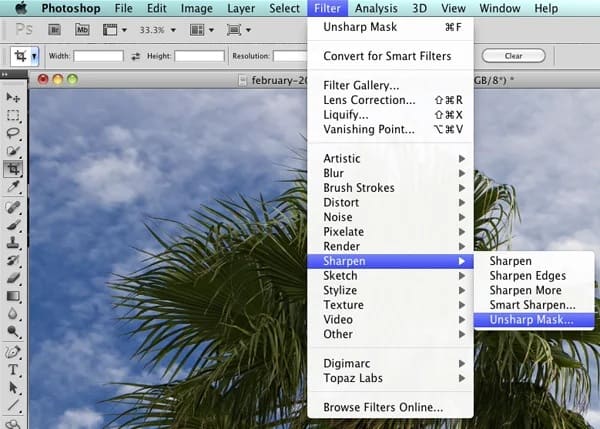
Step 5. In the pop-up dialog box, adjust the available sliders to control the sharpening effect.
Step 6. Adjust the settings gradually until the photo looks sharper and clearer. Avoid over-sharpening, as it can make compression artifacts and unwanted noise more noticeable.
Step 7. Once you're happy with the result, save the enhanced photo. You can keep the original version unchanged and use the sharpened version separately.
Photoshop can improve the appearance of an overly compressed photo, but the process requires several manual adjustments and may take some time. If you want a faster and easier solution, a third-party photo repair or enhancement tool may be a better option.
Fixing an overly compressed image can be difficult, especially when the original image quality has already been lost. For this reason, prevention is often more effective than trying to restore a heavily compressed photo later. Here are several ways to avoid excessive image compression.
1. Keep an Original Copy
Always keep the original, full-quality version of important photos before compressing or editing them. You can then create smaller copies specifically for websites, email, or social media.
This is one of the easiest ways to prevent permanent quality loss because you can always return to the original file if the compressed version is not good enough.
2. Avoid Repeated JPEG Compression
Try not to repeatedly open, edit, and save the same JPEG file. Each lossy save can potentially introduce additional compression artifacts.
Instead, keep an editable master copy and export a compressed version only when necessary.
3. Choose an Appropriate Quality Setting
When using an image compressor, avoid automatically selecting the lowest possible quality just to achieve the smallest file size.
A slightly larger file can often provide a noticeable improvement in visual quality. Test different quality levels and choose the smallest file that still looks good for your intended use.
4. Choose the Right Image Format
Different formats are suitable for different types of images.
Choosing an appropriate format can help you avoid unnecessary quality loss.
5. Do Not Resize Images More Than Necessary
Resolution has a major impact on image quality. If you reduce an image from a high resolution to a very small size, some details may be permanently lost.
Before resizing, determine the actual dimensions required for your website, document, presentation, or social media platform.
6. Preview Before Saving
Before exporting a compressed image, zoom in and inspect important areas such as faces, text, edges, and fine details.
If you notice visible artifacts, blurry areas, or color problems, increase the quality setting or choose a less aggressive compression level.
This article explores several ways to fix overly compressed images, including using AI Photo Repair. As a practical tool for repairing damaged or corrupted photos, AI Photo Repair can help you restore your images with ease. If you're wondering how to fix an overly compressed photo, I highly recommend giving AI Photo Repair a try. Take action today—download the tool and bring your valuable photos back to life!
Related Articles:
5 Ways to Make Picture File Size Smaller Without Quality Loss
6 Approaches to Change File Size of Photo on Windows/Mac/Online
7 Best AI Video Upscaling Software to Enhance Video Quality
11 Best GIF Compressors for Discord to Make GIFs Smaller [2026]


 Free Download for PC


